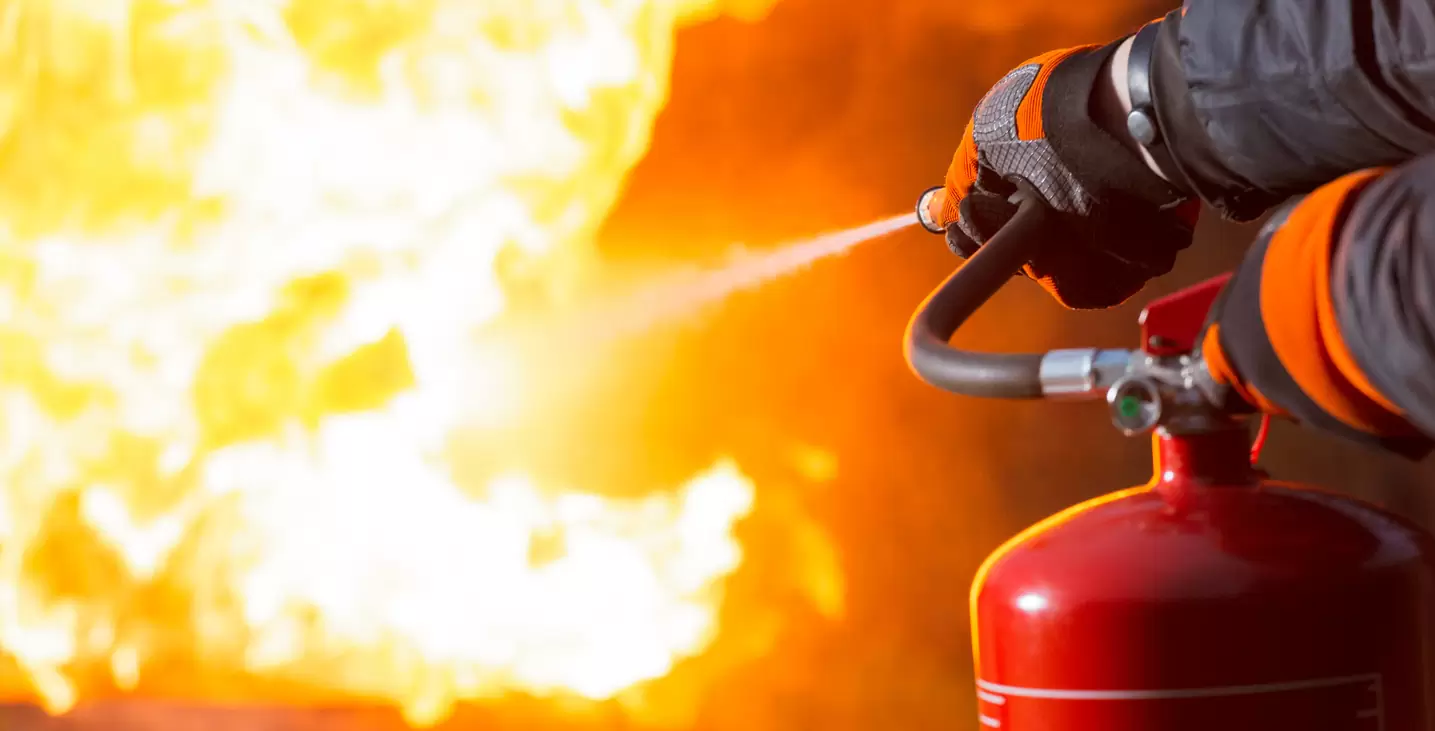
Summit Fire Updates: Latest Information on the Summit Fire, Evacuations, Containment Efforts, and Safety Advisories
Get the latest updates on the Summit Fire, including its location, evacuation orders, firefighting efforts, containment status, road closures, and what residents need to know as crews battle the blaze.
Summit Fire: Latest Updates on the Growing Wildfire Incident
The Summit Fire has drawn significant attention as firefighters work around the clock to contain the fast-moving blaze. The wildfire has prompted concerns among residents due to its potential impact on nearby communities, roadways, and natural landscapes.
Emergency crews have been deployed to combat the fire from both the ground and the air, with officials closely monitoring weather conditions that could influence the fire’s behavior. Dry vegetation, high temperatures, and shifting winds can rapidly intensify wildfire situations, making containment efforts especially challenging.
Authorities continue to provide updates regarding the fire’s size, containment percentage, and any evacuation orders or warnings that may affect residents in surrounding areas.
What Is the Summit Fire?
The Summit Fire refers to a wildfire incident that has ignited in or near an area commonly known as “Summit.” Wildfires bearing this name have occurred in several regions over the years, often affecting mountainous and heavily vegetated areas that are vulnerable during periods of dry weather.
As firefighters respond to the current Summit Fire, emergency management teams are prioritizing public safety while assessing damage risks and implementing strategies to prevent further spread.
Firefighting Efforts Underway
Multiple agencies are often involved in wildfire response operations, including:
- Local fire departments
- State forestry and wildfire agencies
- Emergency management officials
- Air tanker and helicopter crews
- Law enforcement agencies assisting with evacuations and road closures
Firefighters typically establish containment lines, conduct strategic water drops, and remove vegetation to slow the fire’s progression. Incident management teams also monitor weather patterns that could impact suppression efforts.
Evacuation Orders and Public Safety
Residents living near wildfire zones are urged to remain alert and follow official instructions. Authorities may issue:
- Mandatory evacuation orders
- Evacuation warnings or advisories
- Shelter information
- Traffic and road closure updates
- Air quality advisories
Emergency officials recommend preparing essential items in case evacuation becomes necessary, including:
- Identification documents
- Medications
- Important personal belongings
- Phone chargers and emergency supplies
- Food and water for several days
Air Quality Concerns
Wildfires often produce large amounts of smoke that can affect air quality far beyond the immediate fire zone. Smoke exposure can be particularly dangerous for:
- Older adults
- Young children
- Individuals with asthma or respiratory conditions
- People with heart disease
Health experts advise limiting outdoor activities and keeping windows closed when smoke levels are elevated.
Why Wildfires Like the Summit Fire Spread Quickly
Several factors can contribute to rapid wildfire growth:
Dry Conditions
Low humidity and drought conditions leave vegetation highly flammable.
Strong Winds
Wind can push flames across large areas and carry burning embers significant distances.
Difficult Terrain
Mountainous and rugged landscapes can make firefighting operations more complex.
High Temperatures
Extreme heat increases fire risk and accelerates vegetation drying.
Community Response
Communities affected by the Summit Fire often come together to support evacuees and emergency responders. Local organizations, shelters, and volunteers frequently provide:
- Temporary housing
- Food and water supplies
- Assistance for displaced families
- Resources for pet owners
- Information centers and emergency updates
Officials encourage residents to rely on verified emergency sources and avoid spreading unconfirmed information during rapidly evolving wildfire incidents.
Staying Informed During the Summit Fire
Residents should monitor official emergency channels for:
- Fire perimeter updates
- Containment progress
- Evacuation notices
- Road closures
- Weather forecasts
- Re-entry information for evacuated areas
Wildfire situations can change rapidly, and timely information remains essential for ensuring public safety.
Frequently Asked Questions (FAQ)
What is the Summit Fire?
The Summit Fire is an active wildfire incident that has prompted firefighting operations, public safety measures, and ongoing monitoring by emergency agencies.
Are there evacuation orders in place?
Evacuation orders and warnings depend on the fire’s location and behavior. Residents should follow updates from local emergency management agencies.
How can I protect myself from wildfire smoke?
Stay indoors when possible, keep windows closed, use air filtration systems if available, and limit strenuous outdoor activities.
Why do wildfires spread so quickly?
Dry vegetation, high temperatures, strong winds, and rugged terrain can all contribute to rapid wildfire growth.
Where can I find updates on the Summit Fire?
Updates are typically provided through local fire agencies, emergency management offices, law enforcement agencies, and official government communication channels.